
How to Store Liquor the Right Way
Let’s be honest—most people don’t think twice about how they store liquor. A bottle of bourbon lands on the kitchen counter, vodka disappears into the freezer, and before long, your carefully curated collection is more like an afterthought. But here’s the truth: how you store liquor has a direct impact on its taste, longevity, and even your enjoyment of it.
Whether you’re pouring from a decades-old bottle of Scotch or opening a crisp new gin for your guests, proper storage isn’t just about preservation—it’s about honoring the craftsmanship inside every bottle.
At Traditions Wine & Spirits, we’re more than a shop—we’re a community of enthusiasts, connoisseurs, and curious learners who appreciate quality and experience. This guide will walk you through best practices for storing liquor at home, blending practical advice with the care and intention your collection deserves.
Because your liquor should never just “sit on a shelf.” It should age with elegance, serve with style, and be ready when the moment calls for it.
Why Proper Liquor Storage Matters
It’s easy to assume that liquor is shelf-stable by nature — high-proof, bottled, sealed — a set-it-and-forget-it kind of product. But the truth is, even the finest spirits are vulnerable to the elements over time. Heat, light, air, and even poor bottle positioning can slowly chip away at the quality of what’s inside the glass.
Proper liquor storage is about more than just maintaining the alcohol content — it’s about preserving the integrity of flavor, extending the life of your collection, and elevating the overall experience.
Here’s why it matters:
Flavor Doesn’t Freeze in Time
Even unopened bottles of liquor can degrade if stored incorrectly. While the high alcohol content in most spirits does slow spoilage compared to wine or beer, it doesn’t make them immune to change.
For example:
Light (especially sunlight) can cause chemical reactions in clear spirits like gin or vodka, leading to a dull or “cooked” taste.
Heat can cause alcohol to expand and contract, subtly forcing air into the bottle and pushing vapors out — a silent invitation to oxidation.
Oxygen (especially once a bottle is opened) can flatten the vibrant, aromatic qualities that define premium liquors.
What begins as a slow process often goes unnoticed — until the next pour surprises you in all the wrong ways.
Opened vs. Unopened: There’s a Difference
An unopened bottle of whiskey can remain stable for decades when stored properly — but once it’s been opened, the clock starts ticking.
Opened bottles begin interacting with air immediately. You’ll typically have:
1–2 years for spirits over 40% ABV, like vodka, bourbon, and rum, before you notice real degradation.
6–12 months for liqueurs and lower-proof options, such as cream-based or herbal blends.
Storing opened bottles in cool, dark areas and minimizing air in the bottle (by decanting into smaller containers or using preservation tools) can significantly slow this process.
Protects Your Investment — Financial and Emotional
Many of our customers view their liquor not just as drinkable goods but as extensions of their personality, values, and taste. Whether you’ve spent $60 or $600 on a rare bottle, poor storage undermines that investment.
Labels fade.
Corks dry and crumble.
Rare spirits lose their finesse.
Proper liquor storage safeguards premium collections and the intention behind every purchase — whether it’s for a celebration, a gift, or simply a personal indulgence.
It Enhances the Entire Experience
You wouldn’t serve a fine Bordeaux in a red Solo cup. Likewise, there’s something almost ceremonial about selecting a beautifully stored bottle — one that’s not just preserved but presented well.
Storage that:
Keeps bottles upright
Avoids clutter
Provides easy access to seasonal favorites or signature picks
… isn’t just functional — it’s part of the hospitality, the ritual, and the pride of sharing something you love.
Prevents Common (and Costly) Mistakes
Without proper guidance, even well-intentioned collectors make subtle errors:
Leaving bottles on kitchen counters near the stove
Storing clear spirits in sunny bar carts for aesthetics
Using wood racks that store bottles horizontally (which can damage liquor corks)
Each of these small missteps can lead to flavor loss, visual damage, or worse — rendering great liquor forgettable.
In short, learning how to store liquor properly means you’re not only protecting your collection, you’re honoring it.
It’s the difference between treating your spirits like groceries… or like treasures.
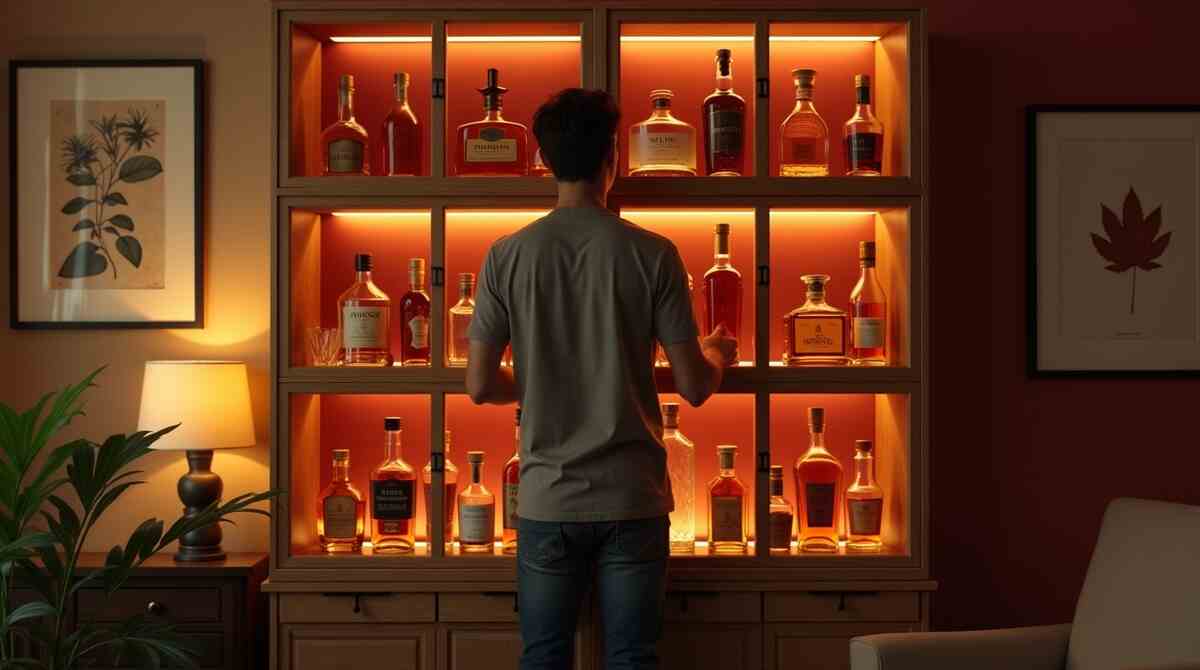
Best Practices for Storing Liquor
Whether you’re curating a personal home bar or aging a cherished bottle for a future celebration, there are a few golden rules every liquor lover should follow. These best practices for storing liquor will help ensure that what you pour tomorrow tastes just as exceptional as the day you brought it home.
Always Store Liquor Upright
Unlike wine, which benefits from cork contact to stay moist, liquor should never be stored on its side.
Why?
Most spirits have a higher alcohol content than wine, and that alcohol can break down cork material over time.
A compromised cork can deteriorate, leak, or allow oxygen into the bottle, accelerating spoilage.
Plastic screw caps? Those are less vulnerable, but storing upright is still standard for temperature stability and long-term quality.
Bottom line: Keep every bottle standing tall — even your dusty collector’s rum.
Keep It Cool — But Not Cold
The ideal storage temperature for liquor is between 60–70°F (15–21°C) — essentially, a cool room temperature.
Here’s why that range works:
Too hot? Liquor expands in the bottle, pushing out air and inviting in oxygen. This is especially risky for long-term storage.
Too cold? While chilling doesn’t necessarily spoil most spirits, it can mute flavors and aromas — particularly in whiskey, brandy, or liqueurs meant to be sipped and savored.
Also, don’t confuse “cool” with the refrigerator. With a few exceptions (more on that later), the fridge isn’t your liquor’s best friend.
Avoid Direct Sunlight at All Costs
Sunlight is the silent enemy of flavor and color — especially for clear or lightly aged spirits like:
Vodka
Gin
White rum
Tequila blanco
UV rays can cause chemical changes that alter taste, aroma, and even appearance. Even darker spirits like bourbon and scotch aren’t immune.
Best practice? Store liquor in:
Cabinets
Closets
Low shelves away from windows
Liquor-specific carts or furniture with doors
If you love showing off your bottles, try installing UV-filtered glass or using indirect lighting that highlights the display — not the sun.
Control Humidity (If Possible)
While humidity isn't a huge concern for the liquid itself, it can affect your labels and corks. In very dry environments, corks can crack and shrink. In overly humid ones, labels can peel or mold — particularly for rare bottles you intend to keep or resell.
If you live in an area with extreme climate swings, consider using:
A dehumidifier in your storage space
Airtight storage boxes for top-shelf bottles
Designate a Dedicated Storage Space
One of the most underrated liquor storage tips? Consistency.
Avoid moving bottles from one temperature zone to another — kitchen to basement, car to shelf, room to freezer. Constant changes cause the liquid to expand and contract, which accelerates chemical breakdown.
Instead, pick one place and make it a home for your bottles. Think of it as creating a microclimate — a personal liquor library where every bottle is catalogued and cared for.
These best practices for storing liquor serve as the foundation for building a collection that’s not only enjoyable but resilient. Once you get the core right, the rest becomes an art — from design to drink.
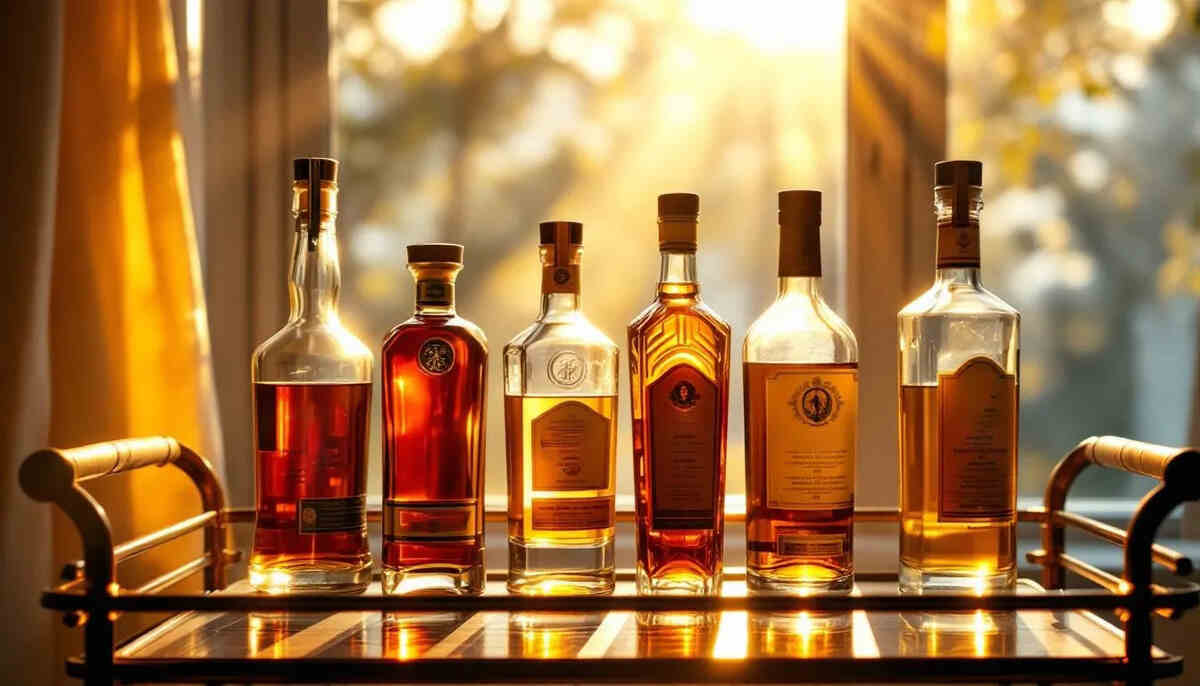
Where NOT to Store Liquor
Even the most well-meaning enthusiasts often misplace their bottles without realizing it. They’re tucked into kitchen cabinets, proudly displayed on windowsills, or shoved behind coffee mugs on open shelving. Unfortunately, these spots are often the worst environments for storing liquor — no matter how convenient they seem.
Here are some of the most common liquor storage mistakes and why to avoid them.
The Kitchen: Convenient, But Risky
It’s tempting to store liquor in the kitchen — it’s central, easy to access, and likely where entertaining happens. But it’s also home to the biggest threats to your collection:
Heat from ovens, stovetops, and appliances raises ambient temperatures significantly, especially for bottles stored in upper cabinets.
Humidity from cooking and dishwashing can damage labels and degrade corks.
Frequent temperature fluctuations are a recipe for slow spoilage over time.
Verdict: Keep your spirits out of the kitchen — unless it’s for short-term use or entertaining.
Near Windows or Anywhere with Sunlight
It might look beautiful to have your clear spirits glowing on a bar cart in front of a sunny window — but UV rays are destructive.
Sunlight can:
Fade your labels
Break down alcohol compounds
Cause discoloration or chemical off-notes (especially in vodka, gin, or tequila)
Tip: If your bottles are part of your decor, consider shaded corners or install UV-blocking curtains or film on nearby windows.
The Freezer: Mostly Unnecessary
Yes, a chilled martini is a dream. And yes, vodka from the freezer pours like silk. But unless it’s for immediate use, storing liquor in the freezer can dull flavor and even alter the texture of certain spirits over time.
What’s okay to freeze:
Vodka
Gin
Aquavit
What’s not:
Whiskey, rum, brandy, and any liqueurs with sugar or dairy content — which may thicken, separate, or even solidify slightly.
Pro tip: Freeze for service, not storage.
Liquor Racks Designed for Wine
Many stylish wine racks store bottles horizontally — which is perfect for wine, but bad news for liquor.
Here’s why:
Liquor corks aren’t built to stay moist. Side storage can erode the cork over time, especially with high-proof spirits.
Alcohol can seep into the cork and cause leaks or unpleasant flavors.
Most wine racks don’t account for the varied shapes of liquor bottles, which can lead to slippage or poor balance.
If you love the aesthetic of a rack, look for upright bar shelves or modular liquor cabinets that keep form and function aligned.
Random Closets or Attics
Some folks toss extra bottles into back closets or attic storage, thinking, “It’s cool and dark — what could go wrong?”
Well:
Attics can overheat in summer or freeze in winter.
Closets near water heaters or HVAC systems may have wild humidity and temperature swings.
Poor ventilation can lead to mold or musty aromas on labels and corks.
Choose a space that’s insulated, relatively temperature-stable, and rarely disturbed — like a linen closet or a sideboard in a spare room.
If you wouldn’t store chocolate, perfume, or fine leather there… don’t store your liquor there either. Treat each bottle like the crafted product it is — worthy of proper care and placement.
How to Store Liquor in Your Home
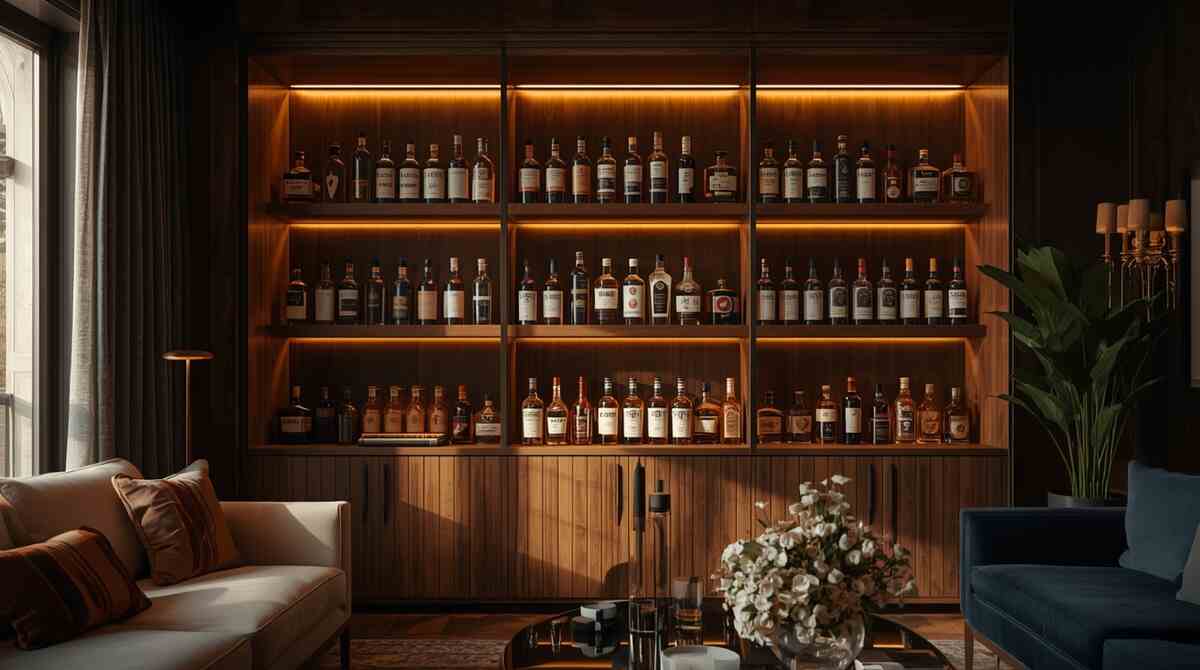
You don’t need a walk-in cellar or a custom bar to store liquor well — you just need to make thoughtful choices based on your space. Whether you're working with a modern apartment, a historic bungalow, or a full-blown entertaining lounge, the key is knowing how to store liquor in each environment without compromising quality or design.
Let’s walk through your home and explore storage strategies room by room.
Living Room or Lounge Area
The living room is a favorite spot for many home bars — and for good reason. It's where hosting happens, and when done right, it's ideal for both form and function.
What works:
Enclosed bar cabinets: Keep bottles upright, shaded, and organized.
Bar carts: Opt for carts with drawers or lids to shield bottles from light.
Low shelving: Built-ins or sideboards work beautifully, especially when placed away from windows or vents.
Pro Tip: Add dim, warm lighting to spotlight your bottles without subjecting them to harmful UV rays.
Dining Room or Sideboard
For entertaining-forward homes, a dining room bar setup can be elegant and efficient.
Storage ideas:
Use a buffet table or credenza with drawers for accessories and closed storage for bottles.
Pair your storage area with a mirror or framed art above — not a window — to keep aesthetics high and sunlight low.
Extra touch: Place a few curated glassware pieces beside your most-used spirits for quick serving.
Home Office or Library
You’d be surprised how many people store premium bottles in their study — a private space for reflection, work, or a post-dinner pour.
Best practices:
Install a locked cabinet for rare or expensive bottles.
Use bookcase shelving for display, but avoid direct sunlight through office windows.
Maintain a consistent temperature — avoid placing bottles near electronics or heaters.
This setup suits collectors who enjoy quiet, solitary sipping or curated tastings.
Pantry or Hall Closet
This is a secret weapon for smaller homes or minimalists — cool, dark, stable, and out of the way.
Ideal for:
Long-term storage of unopened bottles
Organizing bottles by spirit type, age, or use case (e.g., cocktails vs. neat pours)
Avoiding temperature swings common in kitchens and garages
Tips for success:
Add labeled bins or baskets for accessories (pourers, jiggers, citrus tools).
Avoid plastic containers that trap heat — opt for wood or metal organizers.
Basement or Cellar (If You’re Lucky)
A well-ventilated, finished basement is among the best environments to store liquor — provided it’s dry and temperature-stable.
Why it works:
Naturally cool and dark
Space for custom shelving or bar builds
Great for entertaining, especially with tasting tables or seating nearby
Just watch for:
Excess humidity (use a dehumidifier if needed)
Flood risk — keep prized bottles off the floor
Avoiding the Bedroom or Bathroom
We know, it sounds obvious — but people do it.
These spaces tend to:
Fluctuate wildly in humidity and heat (especially with showers and body heat)
Feel too casual or impractical for thoughtful liquor enjoyment
Instead: Let these spaces be about rest and ritual. Your liquor deserves better lighting… and better company.
Bonus: Traveling or Temporary Setups
Hosting a party? Taking your signature bourbon to a friend’s place?
Use a padded carrier or insulated bag
Keep bottles upright and protected from extreme temps
Always re-seal tightly before and after use
Even short trips deserve the same respect — especially for aged or delicate spirits.
Knowing how to store liquor in your home isn’t about buying more stuff — it’s about being intentional with what you already have. With just a few small adjustments, any room can transform into a trusted home for your favorite bottles.
What About Opened Bottles?
So you've opened a bottle of bourbon for a quiet night in or cracked a special liqueur to impress dinner guests — what happens next?
Most people assume opened liquor lasts “forever,” but that’s only partially true. While high-proof spirits are relatively stable, once that seal is broken, time and air start to take their toll. Understanding how to store opened bottles is essential if you want your pours to stay bold, balanced, and worth savoring.
Oxidation: The Silent Flavor Killer
Once a bottle is opened, oxygen begins interacting with the alcohol and any sugars or botanicals inside. While some oxidation can mellow harsh notes (especially in spirits like whiskey or brandy), too much can:
Flatten aromas
Dull nuanced flavors
Create bitter or sour aftertastes
The process is subtle — it might take months — but it’s inevitable, especially if a bottle is less than half full.
How Long Do Opened Bottles Last?
Let’s say you opened a beautiful bottle of bourbon six months ago — the kind you only pour for special occasions. You go back to it, eager for that same smooth finish... but something’s off. The warmth is there, but the flavor? Muted. A little flat. Like a good story told one too many times.
This happens more often than people realize. Once a bottle is opened, it’s not just sitting there. It’s changing.
Air slips in every time you pour, and while that’s not a crisis — spirits don’t “spoil” like milk — they do evolve. Some gracefully, others not so much. And depending on the type of liquor, your timeline to enjoy it at its peak can vary quite a bit.
Here’s a more human (and honest) guide to what you can expect:
Spirits That Can Go the Distance
Vodka, gin, rum, and tequila (40% ABV and up). These are your steady-eddies. They’ll hold up well for a year or two after opening — maybe longer if you store them right. The biggest threat? You forget they’re there.
Whiskey, bourbon, scotch
If the bottle’s at least half full and tucked away in a cool, dark spot, you’re likely good for up to 2 years.
Once it dips below that halfway mark, oxidation speeds up. The more air in the bottle, the more things shift.
Want to keep it sharp? Either finish it or decant it into a smaller glass bottle to reduce oxygen exposure.
Liqueurs & Specialty Spirits
Here's where things get tricky.
Herbal liqueurs (like Amaro or Chartreuse): Usually last 6–12 months once opened.
Cream or dairy-based liqueurs (like Baileys): Best used within 6 months, and they do need refrigeration.
Fruit liqueurs or anything syrupy? Think of them like fresh produce — they look fine, until one day they’re not.
If you can’t remember when you opened it, smell it. If it smells weird… trust your nose.
A Quick Rule of Thumb
Fuller bottles = slower change.
Warmer rooms = faster change.
The more sugar or cream in the bottle = the faster you need to finish it.
Properly stored, most spirits won’t turn overnight — they fade gradually. But if you’ve been saving a bottle for “someday,” make sure “someday” doesn’t come too late.
The best bottle is the one you enjoy at just the right time.
Tips to Extend the Life of Opened Liquor
Here are a few tried-and-true liquor storage tips for keeping opened bottles fresher, longer:
Store in a cool, dark place (as you would with unopened bottles).
Keep bottles upright to prevent cork erosion or leakage.
Use bottle stoppers or pourer caps to limit air exposure.
If the bottle is more than halfway empty and you plan to keep it long-term, consider transferring the liquid to a smaller glass container to reduce oxygen space.
Optional tool: Wine savers (like vacuum pumps) aren’t designed for spirits, but airtight decanters or silicone-sealed flasks can help in a pinch.
Know When to Let It Go
If you notice:
A sharp, chemical smell
Discoloration
Floaters or cloudiness
An unfamiliar taste
…it may be time to say goodbye. Even the best bottles have a lifespan once opened, especially if they’re sugar-based or have a lower ABV.
But don’t feel guilty — it’s a sign you enjoyed the bottle over time. The goal isn’t to hoard your collection, but to experience it.
Traditions Tip: Open Less, Enjoy More
If you’re collecting for special occasions, consider building a rotation:
A few “everyday” pours
A few “entertaining” favorites
A few “hold-for-later” bottles
This way, you’re not reopening the same spirit again and again — and each bottle gets its moment without being forgotten at the back of the shelf.
In short, how you handle opened bottles plays a huge role in preserving your collection’s flavor and value. Treat them like the evolving, living things they are — and they’ll keep rewarding you, pour after pour.
Liquor Storage Tips by Type
Not all spirits are created equal — and neither are their storage needs. Whiskey doesn’t behave like vodka. A cream liqueur isn’t built for the same shelf life as tequila. So while the core best practices still apply (cool, dark, upright, stable), getting into the spirit-specific details can help you protect and enjoy each bottle the way it was meant to be.
Here’s a breakdown of essential liquor storage tips by type:
Whiskey, Bourbon, & Scotch
These high-proof, oak-aged spirits are relatively stable but sensitive to air and light.
Tips:
Always store upright to avoid cork erosion or contact with the spirit.
Once opened, try to finish within 1–2 years for optimal flavor — or transfer to a smaller container when the bottle is below half full.
Avoid displaying bottles near sunlight — even the darkest glass won’t protect the contents forever.
Bonus Tip: If you enjoy collecting limited editions or single-barrel releases, consider storing them in a dedicated cabinet to preserve both the liquid and the label.
Vodka & Gin
These clear spirits are less fragile — but still deserve care if you want to preserve their crisp, clean character.
Tips:
Room temperature is fine, but freezer storage is acceptable for short-term use — especially if you love that silky mouthfeel in martinis.
Protect from light to prevent subtle flavor degradation (yes, even vodka can be affected over time).
For botanical-heavy gins, avoid extended freezer storage — extreme cold can mute the aromatics.
Pro Move: If you love hosting, keep a bottle chilled for guests and another in your main stash for long-term use.
Tequila & Mezcal
Agave-based spirits often get overlooked when it comes to proper storage, but their complexity depends heavily on the environment.
Tips:
Keep upright and out of sunlight, especially with reposado or añejo styles, which have been aged and can lose nuance if mistreated.
For opened bottles, aim to finish within 12–18 months.
Avoid storing near spice racks or aromatic foods — agave spirits can subtly absorb odors.
Mezcal lovers: You’ve invested in smoke, texture, and story. Treat it like a small-batch wine.
Liqueurs (Herbal, Cream-Based, Citrus)
These are the most delicate members of your home bar family — and they often go bad before people realize it.
Tips:
Refrigerate cream-based liqueurs after opening (think Baileys, RumChata, or Amarula).
Herbal liqueurs (like Chartreuse or Amaro) do better in cool, dark cabinets and should be used within 6–12 months.
Keep a date sticker on the bottom if you don’t finish quickly — liqueurs are often used less frequently, and it’s easy to forget.
Warning Sign: If the bottle is sticky, the label is curling, or the cap feels crusty — give it a sniff before serving.
Bitters & Aperitifs
These often get tossed in with the liquor stash but deserve their own rules.
Tips:
Most bitters (Angostura, Peychaud’s) are shelf-stable for years.
Aperitifs like vermouth or Lillet should be refrigerated after opening and used within a few weeks for peak flavor.
Treat vermouth like wine — not liquor.
Final Thought: Every Bottle Tells a Story
Whether it’s your go-to bourbon or a specialty liqueur from a once-in-a-lifetime trip, proper storage is how you honor the journey. These liquor storage tips aren’t about rules — they’re about respect. For the craft, for the experience, and your taste.
Common Liquor Storage Mistakes to Avoid
Let’s make sure your bottles don’t suffer in silence.
Even the most seasoned enthusiasts can overlook the small stuff — especially when it comes to liquor storage. But those “little things” add up. Sunlight sneaks in, corks dry out, flavors flatten... and that bottle you were saving for something special? It might not taste as special anymore.
Here are the most common liquor storage mistakes — and how to avoid them without overhauling your entire bar.
Storing Bottles Sideways (Like Wine)
Why it’s a problem:
Wine corks benefit from moisture. Liquor corks don’t. High-proof spirits can break down cork material when in constant contact.
Better move:
Store liquor bottles upright — always. Especially for whiskey, rum, and anything corked.
Letting Light Hit the Bottles
Why it’s a problem:
UV rays can trigger chemical changes inside the bottle — especially in clear spirits like vodka, gin, and blanco tequila. They also fade labels and damage presentation.
Better move:
Keep bottles in a shaded cabinet, closed cart, or dimly lit shelf. If you must display them, use filtered glass or keep them out of direct sun.
Storing in the Kitchen (or Near Heat Sources)
Why it’s a problem:
Heat from ovens, dishwashers, and appliances causes the alcohol to expand, which pushes air in and out of the bottle — speeding oxidation.
Better move:
Avoid the kitchen entirely. Choose a cool, quiet part of your home — a sideboard, hallway closet, or dedicated bar cabinet.
Ignoring Opened Bottles
Why it’s a problem:
You crack a bottle, pour a glass, then forget about it. A year later, the taste is off, and you can’t remember when you opened it.
Better move:
Track opened dates with a small sticker or tag. Group opened bottles separately from sealed ones, so you know what needs to be enjoyed first.
Thinking the Freezer Is a Long-Term Solution
Why it’s a problem:
While vodka or gin can live in the freezer short-term, other spirits lose their complexity when frozen. And some liqueurs may thicken or separate.
Better move:
Chill for serving, not for storage. Keep your main stash at room temperature and pull what you need into the fridge or freezer just before hosting.
Letting Humidity Ruin Labels & Corks
Why it’s a problem:
Over time, damp conditions can warp labels, loosen adhesives, and dry out corks — especially in basements, near vents, or humid corners.
Better move:
Store in a dry, temperate space. Use a dehumidifier if needed — especially if you’re building a long-term or collectible collection.
Treating All Spirits the Same
Why it’s a problem:
What works for vodka doesn’t work for vermouth. Aged tequila has different needs than cream liqueur. And liqueurs go bad way faster than people think.
Better move:
Learn spirit-specific storage practices — it’s one of the easiest ways to prevent flavor loss and get the most from every bottle.
Quick Recap: Avoid These Liquor Storage Pitfalls
Don’t store bottles sideways
Avoid sunlight and heat
Track opened bottles
Refrigerate what needs chilling (and only that)
Respect the differences between spirit types
These aren’t just liquor storage tips — they’re your collection’s safety net. A few small shifts can protect your investment, improve every pour, and keep your home bar feeling intentional, not accidental.

Conclusion
At the heart of every well-curated liquor collection is a simple truth: how you store your bottles says just as much about your taste as the spirits themselves. Proper liquor storage isn’t about having a custom-built cellar or a picture-perfect bar cart — it’s about respecting the craftsmanship inside each bottle and preserving the experience it was meant to deliver. From rich bourbons and delicate liqueurs to botanical gins and smoky mezcals, every spirit benefits from a little care and intention.
By storing liquor upright, protecting it from heat and light, and understanding how different types of spirits age once opened, you ensure each pour remains as satisfying as the first. Over time, these small habits protect not just the flavor, but the story you’re building around your collection — the shared toasts, the quiet moments, the memories made one glass at a time. The way you store liquor doesn’t have to be complicated, but it should be considered. Because when you treat your collection with care, it rewards you with quality, consistency, and joy.
If you’re unsure where to begin or want personalized guidance for your home bar, Traditions Wine & Spirits is here to help. Whether you’re storing a few special bottles or curating a long-term collection, our team is always ready to provide tailored recommendations and expert support. Call us at (601) 808-4121 to schedule a consultation, or visit us at 123 Grandview Blvd # O, Madison, MS 39110 to speak with our knowledgeable staff in person. We’re more than a shop — we’re your partner in preservation, presentation, and celebration.
